 The First Encyclopedia Your First Knowledge Home
The signs of hormonal imbalance
Read and discover about The Signs of hormonal imbalance and what tips should be followed

Every woman has experienced periods of emotional turmoil, including feelings of rage and frustration, and sometimes for no apparent reason. It’s hardly an excuse, but we frequently attribute this to hormonal imbalances. Hormonal imbalance, it is true, is a major factor in this and many other things that you may not be aware of.
The signs of hormonal imbalance
What causes hormonal imbalance?
Naturally, hormones have a major impact on women’s health and wellbeing. Your mood, amount of desire for sexual activity, fertility, and ovulation can all be affected by changes in hormone levels. You’re not alone if you think you may be having an imbalance in your hormones, because hormonal issues are widespread.
Signs of hormonal imbalance and what tips should be followed
Your body’s natural chemistry might be upset by a number of things. Menopause, pregnancy, your menstrual cycle, birth control, and lifestyle variables including irregular sleep patterns, stress, poor eating habits, and inactivity are common offenders. Diabetes or thyroid issues might also be contributing factors.
Trouble sleeping
Many women have trouble sleeping, especially in the days leading up to their periods. The sharp decline in progesterone levels right before menstruation may be the cause of this. After giving birth, progesterone levels similarly drop, but you should celebrate your newfound role as a mother. Because progesterone is a calming hormone, low amounts can cause restlessness. To select a natural method for falling asleep, peruse our articles on how to treat insomnia naturally. Which foods are better for sleep—sugary foods or salty foods?
Persistent acne
Hormonal fluctuations cause many women to break out before their period. However, androgens, or male hormones, may be the cause if you consistently experience persistent cystic acne. Excess sebum, or oil, produced by testosterone is stimulated, and when it interacts with germs that cause acne and dead skin cells, it becomes trapped beneath the skin. Acne markings result from this, along with blackheads and pimples. Acne severity increases with a woman’s testosterone levels. However, you should be aware that hormones are not always the culprit; a bad diet may be the case. For more information on this, we suggest reading our article, The Consequence of Acne That Doctors Never Told You.
Mental fog
Do you frequently forget things? similar to where you store your keys, pocketbook, and/or next day’s appointment? If so, a hormonal issue could be the cause. Your body creates significant amounts of cortisol, the stress hormone, if you have been under a lot of stress lately. Research indicates that persistently elevated cortisol levels may impede one’s capacity for memory and learning. You may read our article, “10 Signs of High Cortisol and How to Lower It,” for more information.
Constant appetite
Keep reaching into the cookie jar with your hand. If so, you ought to quit referring to yourself as a pig. While maintaining a healthy diet and exercising are vital, an imbalance in hormones may be the cause of your insatiable appetite and desires. How well are you sleeping? In a particular study, participants who experienced sleep deprivation had a spike in the hunger hormone ghrelin and a decrease in the satiety hormone leptin.
Appetite is stimulated by the hormone ghrelin and suppressed by leptin and oxyntomodulin. This helps to explain why individuals who experience chronic sleep deprivation (less than seven hours per night) typically have higher rates of obesity compared to those who receive more sleep. You may read this article to learn how to manage your hunger hormone and lose weight using leptin.
Digestive problems

Stress hormones have varying effects on humans. Some folks may just be in a foul mood and want to snuggle up with a box of chocolates on the couch. Others may carry their worries in their minds and get tension headaches. Some people store their tension in their abdomens. Naturally, the body produces a lot of cortisol in the morning to aid with waking. Those who have hyperactive adrenal glands and excessive cortisol production, on the other hand, have different cortisol concentrations, which results in low cortisol levels in the morning when it’s time to get up rather than high levels.
In addition, aberrant serotonin levels may be the cause of your irritable bowel syndrome (IBS). Ninety percent of individuals afflicted are female, and some experience flare-ups in their IBS symptoms around menstruation. Progesterone and estrogen levels might also be important.
Constant fatigue
Everybody has days when they are so exhausted that they are hankering after a nap. We experience persistent exhaustion. But if you have daily fatigue, you may have hypothyroidism, a disorder caused by insufficient thyroid hormone. If you have gained 10 to 20 pounds that you are unable to shed despite diet and exercise, your chances of having this illness are higher.
Heart rate, mental function, digestion, and all other bodily functions slow down when thyroid hormone levels are low. Thyroid hormones regulate the body’s metabolism. This explains why hypothyroidism can cause fatigue, mental confusion, and even constipation in some cases. You are not alone if you have hypothyroidism; at least 15 million individuals in the US are thought to be affected by it. Check out our post on 10 telltale indicators of a thyroid issue.
Mood changes and depression
Most middle-aged women go through periods of mood swings and worry in circumstances that they used to be able to handle coolly. This is most likely the result of an imbalance in hormones, maybe associated with menopause. After speaking with your doctor, read our article on natural, non-toxic menopausal remedies. If you experience mild to severe depression, we also welcome you to read our article on 10 natural ways to combat depression.
Weight gain
Women sometimes think that they will inevitably gain weight as they get older. However, there can be a hidden issue behind the weight increase. Your tired adrenal system may be the cause of the issue, alerting your thyroid to a possible problem. Your metabolism then drops as a result of the thyroid’s reaction.
Subsequently, the pancreas likewise reacts to the signal, believing that it must store fat, which builds up in locations such as your back, abdomen, and other areas that are inappropriate for your particular body type. You may read our post on burning body fat and balancing your hormones.
Headaches and migraines
Women frequently get regular headaches, sometimes even migraines, as they get older. Hormonal imbalances throughout specific phases of their menstrual cycle may be the cause of this. Keeping a journal of your headache and migraine episodes might be helpful if you experience them. This allows you to ascertain if they occur at random or seem to be triggered by certain events. See our post on natural headache cures for additional details.
Hot flashes and night swears
A hormonal imbalance may be the cause of your frequent hot flashes. It was originally believed to be caused by insufficient estrogen, but we now know that other hormonal imbalances in your body, such as those caused by the adrenal glands, ovaries, thyroid, pancreas, or gastrointestinal tract, can also be the cause. Another possibility is an excess of estrogen and very little progesterone. These systems aren’t always in balance, and when women experience the changes associated with middle age, they are more vulnerable to hormone abnormalities. Check out our post on how to lessen menopausal heat flashes.
Vaginal dryness
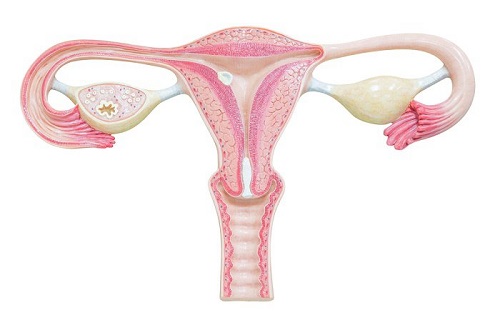
As you get closer to menopause, decreasing levels of estrogen cause changes in the vaginal wall. This can cause vaginal dryness, which can make sex uncomfortable. There are lubricants available that can relieve the discomfort; talk with your doctor about your options.
Changes in your breasts
As women age, high levels of estrogen can make their breasts feel tender or painful, which can give rise to tumors, fibromas, and cysts. That’s why it’s important to do annual breast self-exams. Get to know your breasts; get into the habit of checking them yourself, looking for bumps or anything unusual. You can also get more information in our article: 5 weird signs of breast cancer. While not every bump or change in your breast means cancer, it is still the best way to be on the safe side and talk with your doctor if you find anything suspicious.
Loss of libido
Hormonal imbalances can cause women to experience low sexual desire. This can be due to low levels of estrogen. You can read our article: Foods that contain natural estrogens.
Advice:
If you suspect that you are suffering from conditions related to hormonal imbalance, it’s a good idea to visit your doctor to resolve your doubts. We also recommend not eating processed foods, especially dairy and meat from factory farms where animals, such as chickens and cows, are injected with hormones. If you must eat them, make sure they are organic dairy and meat from free-range animals that have not been given hormones.
Hormonal imbalances are recognized in this day and age, and there are qualified specialists such as obstetricians, gynecologists, and reproductive endocrinologists who specialize in the diagnosis and treatment of hormonal imbalances and anomalies.
The signs of hormonal imbalance
Read also:The most common hair disorders
