 The First Encyclopedia Your First Knowledge Home
The brain and gut flora are both enhanced by
probiotics
Read and discover how The brain and gut flora are both enhanced by probiotics and learn many things from them

The brain and gut flora are both enhanced by probiotics
Your gut holds the key to enhancing your mood and brain function. Unhealthy gut flora can negatively affect your mental state and cause issues like anxiety, sadness, autism, and other conditions.
The brain and gut flora are both enhanced by probiotics.
Our emotional emotions and cognitive function are impacted by intestinal microbes.
According to a recent study, women who frequently ate yogurt that had helpful bacteria had different brain functions than those who didn’t take probiotics.
Similar to the neurons in your brain, there are neurons in your gut as well. These neurons may create neurotransmitters like serotonin, which is linked to mood and is also found in your brain.
Reducing sugar intake, consuming fermented foods, and taking a probiotic supplement are some of the best strategies to optimize your gut flora, which will enhance your mood and cognitive function.
Your gut flora is made up of bacteria, fungus, viruses, and other microorganisms that outnumber your cells ten to one. It is becoming more and more obvious that these microscopic creatures are vital to both your physical and emotional well-being.
Researchers at UCLA have reaffirmed the influence that microflora has on brain function. In a proof-of-concept study, the researchers observed that probiotics, or good bacteria, changed participants’ brain functions.
Research confirms it
Because the brain and the intestines communicate, stress and other emotions may exacerbate gastrointestinal problems, according to research. This work confirms what was previously thought to be true but had only been shown in animal studies: those signals may also go in the reverse direction.
Dr. Kirsten Tillisch stated, “We have heard from patients time and time again that they had never experienced anxiety or depression until they started having issues with their intestine.” “Our research indicates that there is a reciprocal relationship between the brain and the intestines.”
The result “has significant implications for future research that could signal a way to improve brain function through nutritional intervention or medications,” according to the study published in the journal Gastroenterology2. It goes without saying that we advise you to adhere to dietary modifications rather than holding out for a “magical medication” to do the trick.
Your nutrition affects your brain function
The study included 36 women ages 18–55, who were divided into three groups:
- The treatment group ate yogurt, which contained many probiotics that have a beneficial impact on intestinal health, twice a day for a month.
- Another group ate a “placebo” product that looked and tasted like yogurt but did not contain probiotics.
- The control group did not eat any products.
The subjects underwent functional magnetic resonance imaging (fMRI) both before and following the four-week research, both at rest and in response to an “emotional recognition task.” In the last section, the ladies were given a series of pictures of people who appeared terrified or furious, and their task was to match those faces to those of other people who had similar feelings.
According to UCLA, “changes in intestinal flora have been linked to changes in affective behaviors in previous research in animals. This task was designed to measure the use of cognitive and affective regions of the brain in response to visual stimuli.”
Strangely, the two brain areas that regulate the central processing of emotions and sentiments were more active in the women who had probiotic-infused yogurt than in the control group.
In agreement with UCLA
“The cerebral effect was found to be evident in various brain regions, encompassing sensory processing areas as well as emotional regions, which caught the researchers off guard,” explains Tillisch.
Studies show that our diets can affect the makeup and products of our gut flora. This is especially true for those who follow a diet high in vegetables and fiber, as they have a different microbiota, or intestinal environment, than those who follow a more western diet high in fats and carbohydrates, according to the lead author, Dr. Emeran Mayer. We now understand that this affects brain function in addition to metabolism.
How to optimize your intestinal flora
Since your intestines contain an estimated 80% of your immune system, it is crucial to “replant” them with beneficial bacteria in order to ward off almost all illnesses, from cancer to the common cold. We advise using the following tactics to achieve this:
- Avoid processed and refined foods in your diet.
- Consume foods that have been traditionally fermented without being pasteurized. As long as you eat traditionally fermented foods without being pasteurized, you’ll be on the best possible route to excellent digestive health. Fermented foods include some good chelating agents for pesticides and heavy metals, which can help reduce their harmful effects. These agents are also beneficial microorganisms.
Healthy options include:
- Fermented vegetables
- Lassi (Indian yogurt drink, enjoyed before dinner)
- Fermented milk, such as kefir
- Natto (fermented soy)
- Yogurt
- Kombucha
- Chucrut
In order to optimize the diversity of bacteria you ingest, it is ideal for you to eat a range of fermented foods. Perhaps now would be a good time to conduct your own study on the topic. Vegetables that have undergone fermentation are a great way to introduce healthy bacteria to your digestive system. Additionally, most individuals find them to be more palatable than other fermented foods.
And if you ferment them yourself with a sufficient starting culture, they may also be a fantastic source of vitamin K2. In addition to containing 10 trillion beneficial bacteria per serving (about 2-3 ounces), samples of premium organic fermented veggies prepared with certain starting cultures also include 500 micrograms of vitamin K2, which is now recognized as an essential co-nutrient with calcium and vitamin D.
In addition to providing the good bacteria included in home-fermented veggies, most premium probiotic pills are also the least expensive path to ideal gut health.
Probiotics are an exception to our general recommendation against supplements because they are the best choice if you dislike fermented foods. Nutrients should be obtained from eating.
Taking care of your intestinal flora is one of the bases of optimal health
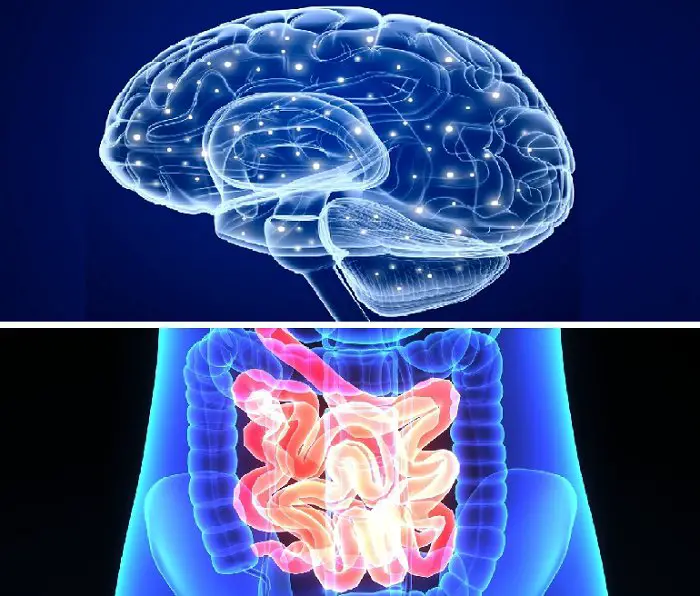
More and more research indicates that the colonies of bacteria that live in your intestine could play a key role in the development of cancer, asthma, allergies, obesity, diabetes, autoimmune disorders, and even brain problems, as well as behavioral and emotional disorders such as ADHD (attention deficit hyperactivity disorder), autism, and depression.
When you consider the fact that the relationship between the intestine and the brain is recognized as one of the basic principles of physiology and medicine and that there is a lot of evidence that gastrointestinal problems influence a large variety of neurological disorders, it is easy to see how the balance of intestinal bacteria can play a significant role in your psychology and behavior.
With this in mind, know that feeding the intestinal flora is extremely important, from cradle to grave, because, in a very real sense, you have two brains, one in your skull and the other in your intestine, and each one needs its own food. Eating fermented foods should be your main strategy, but if you don’t like the way they taste, taking a probiotic supplement is your second-best option. Look for a probiotic supplement that meets the following requirements to ensure quality and efficacy:
- The strains of bacteria in the product must be able to survive stomach acid and bile so that they can reach the intestine alive and in sufficient numbers.
- The strains of bacteria must have characteristics that promote health.
- The activity of the probiotic must be guaranteed throughout the whole production process, storage, and shelf life of the product.
Read also:Soup for fibromyalgia healing
