 The First Encyclopedia Your First Knowledge Home
The health implications of intestinal gas
Not only is flatulence a byproduct of an interior metabolic process, but it’s also an unpleasant end product of your overall internal health. Intestinal gas can provide information about your health that few other signals can, both in the short and long term. In the short term, it shows how your digestive system changes depending on the items you eat.

The health implications of intestinal gas
The typical individual experiences intestinal gas fourteen times a day, according to studies conducted by the National Institutes of Health. However, a larger number can point to deteriorating silent health issues.
Gas is a mixture of gas created by bacteria in your large intestine and ingested air that “accidentally” enters the digestive tract when breathing. This includes all the air that passes through your mouth when you chew gum, consume fizzy drinks, or eat extremely quickly.
While they break down carbohydrates and starches that are difficult for your body to digest, the bacteria in your intestines produce gas. Two to six cups of gas are produced daily by bacteria breaking down food, and once it piles up, it needs to be expelled. Frequent gas is an indication that your intestines are home to a healthy population of bacteria and that you are eating enough fiber.
The health implications of intestinal gas
The health implications of intestinal gas
Below is a list of causes that can give you an idea of why you have too much gas and what this flatulence or intestinal gas says about your health.
Irritable bowel syndrome
First on the list is the primary issue of gas, which is unpleasant, stinks bad, and frequently produces bowel motions. Early on in the condition, irritable bowel syndrome is characterized by distinctive flatulence; later on, constipation and diarrhea are the symptoms. It is advised that you consult a physician if these symptoms last longer than three days.
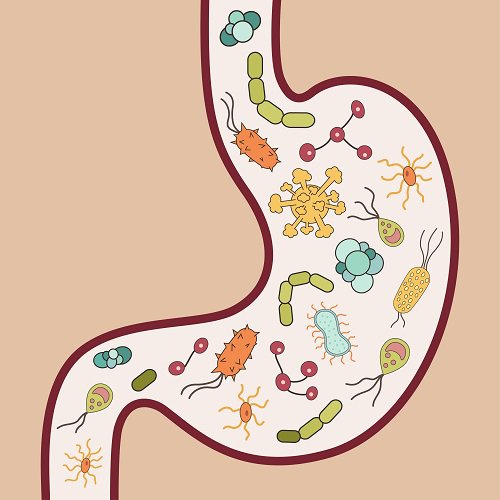
Overpopulation of bacteria
Everybody has bacteria; they are essential to the entire digestive process and are ever-present. The issue arises when their level rises, which can be brought on, among other things, by improperly cooked meals or food that has gone bad. For several days, if your gas increases in an unexplained manner, it is advised to get a stool culture to rule out or confirm this procedure.
Knowing if you have bacterial overgrowth and how to effectively treat it is important since an overabundance of germs may potentially negatively impact your joints.
Infections and allergies
Unusual flatulence might result from eating too quickly or in excess without exercising caution. To a lesser extent, they are often the primary issues in day-to-day living. Both situations result in colon and small-intestine infections. Excess gas is produced by the pain, which further aggravates the discomfort. If this combination is strong, you should consult an expert, as it is unclear.
Parasites and ulcers
The human body reacts differently to parasites, and these reactions might manifest as severe intestinal gas or skin allergies. However, the most distinguishing feature about them is that they belch. Ulcers in any area of the digestive tract may potentially be the cause in certain instances.
In that situation, you might attempt various natural remedies to solve the issue. Try it with the combination for a natural way to get rid of parasites.
Changing hormonal processes
Increased intestinal gas can also be caused by hormonal changes. It’s not that easy to explain, though. Age-related variations exist here; males often experience this more throughout adolescence, according to a study. Women have more flatulence during the menopause.
Other short-term factors
- Poor digestion, which can be caused by eating fast, results in portions that aren’t completely digested and damage the small intestine.
- Eating expired foods, in this case, causes bacteria to proliferate, and when you eat them, the intestinal flora increases past its ideal level.
- In today’s world, time has a name: “fast,” and this makes us eat processed foods with high levels of chemicals. We save some time but lose the battle for good health, which is reflected in the intestinal gas that progressively increases.
- Eating or drinking products that the body doesn’t tolerate causes flatulence, and it’s easy to guess where this change is coming from.
- Due to the active ingredients in medications, the intestinal flora are damaged, and the absorption process changes, preventing nutrients from foods from arriving at their final destination. This process leads to an increase in flatulence, which generally occurs when eating.
What the smell of your gas says about what’s happening in your gut
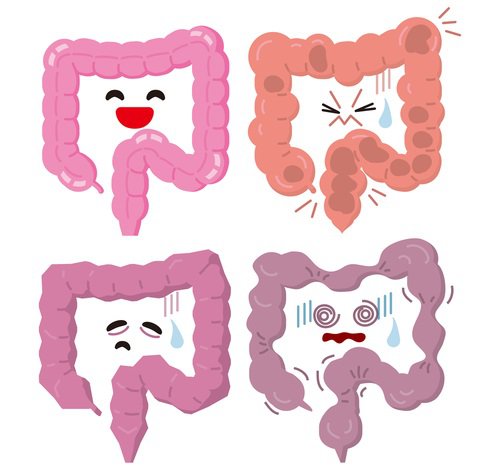
You’re not the only one who has wondered if your gas’s smell—or how often it occurs—can provide information about your health. In order to help you better understand your body and your health, we’ve compiled some facts that may provide you with some hints during this unavoidable gas.
Smelly gas
The percentage of gas that smells in our intestines is about 1%. The gas that is usually responsible for this stench is hydrogen sulfide, which is produced when the body breaks down meals that contain sulfur.
When eaten, a lot of extremely healthful foods release sulfurous gas during digestion. After digestion, this gas exits the body as an odorous gas. Therefore, if you have been consuming dairy products such as broccoli, cauliflower, red meat, or fava beans, don’t be shocked if you get moderately foul-smelling gas later on.
Extremely foul-smelling gas
To be honest, most of the gas we smell doesn’t smell very floral. However, if you discover that the gas you are passing smells particularly bad, it may indicate a serious health issue.
It may be interesting to hear that most individuals have some degree of lactose intolerance. If you have to pass gas shortly after consuming dairy products, it might be an indication that your body is having trouble breaking down lactose.
Less frequently, persistently bad-smelling gas may indicate an infection like gastroenteritis or a chronic issue like celiac disease or irritable bowel syndrome. However, there are more causes for why your digestive system may not be functioning properly.
Gas with no smell
Logically, odorless gas is perfectly safe and typical.
Not every case of flatulence smells nasty. Occasionally, the gas that escapes is only the buildup of air that you ingested during a conversation or a morning sip of fizzy water. This odorless gas is comparable to “burps,” but it exits the body in a different location.
Myths about flatulence
Is it harmful to your health to hold it in vs. letting it out?
You can’t make gas suddenly disappear by holding it in. In fact, bloating and stomach pain are likely outcomes of this. It’s preferable to let gas out rather than hold it in if you feel the desire to pass gas.
Men vs. women: Is there really a difference?
What distinguishes quiet gas from boisterous gas? No, is the response. Your health is more affected by where your body is when the gas escapes than by the volume of gas. There are gases that are stronger than others. Some are only a wisp of air, while others endure for many seconds. Your body’s wellness has nothing to do with any of these variables.
Is there truly a difference between men and women?
When it comes to preconceptions about flatulence, males frequently receive the short end of the stick, while women are virtually worshipped as angels who never burp.
The truth is that gas for men and women happens with the same frequency, and both men and women produce smelly gas.
Final recommendation
Your intestinal gas speaks volumes about your health, or rather, it illuminates a multitude of factors. In particular, if an increase in flatulence goes away fast, there’s no need to consult a professional or do a culture; nevertheless, if it persists for more than three days, a suitable analysis should be conducted. In the best scenario, the problem can be resolved with a weekly treatment; in the worst scenario, the issue may have progressed to a chronic level. It will depend on each individual and how they respond right away to prevent it.
The health implications of intestinal gas
Read also:The health advantages of an alkaline diet
