 The First Encyclopedia Your First Knowledge Home
Reasons for cats licking their fur

Reasons for cats licking their fur
As meticulous groomers, cats spend a significant amount of time every day cleaning their coats of loose hair, grime, and other detritus. It’s normal to see your cat grooming multiple times a day, but you should be concerned if your cat is licking so much that they are tearing out their fur.
Cats that lick their fur off are probably experiencing a behavioral or medical problem. Cats frequently groom their back, stomach, or inner legs excessively. For the correct diagnosis and care, get in touch with a veterinarian as soon as you see bald spots on your cat’s skin. You may read more about why cats lick their fur off in the interim.
How to Tell if Your Cat’s Licking Is Excessive
Because cats lick themselves so frequently, it might be difficult to tell if their habit is excessive. However, the indications are typically visible to cat owners with keen eyes. Fur loss is one of the most noticeable symptoms.
Patches of fur loss may indicate the areas where your cat licks the most frequently. You can see rashes, abrasions, or swollen skin if your cat is enthusiastic about licking the areas. An increase in hairballs is a slightly more subdued indicator.
Pay special attention to your cat if they are removing more hairballs than normal. It can be a sign that they are licking themselves too much.
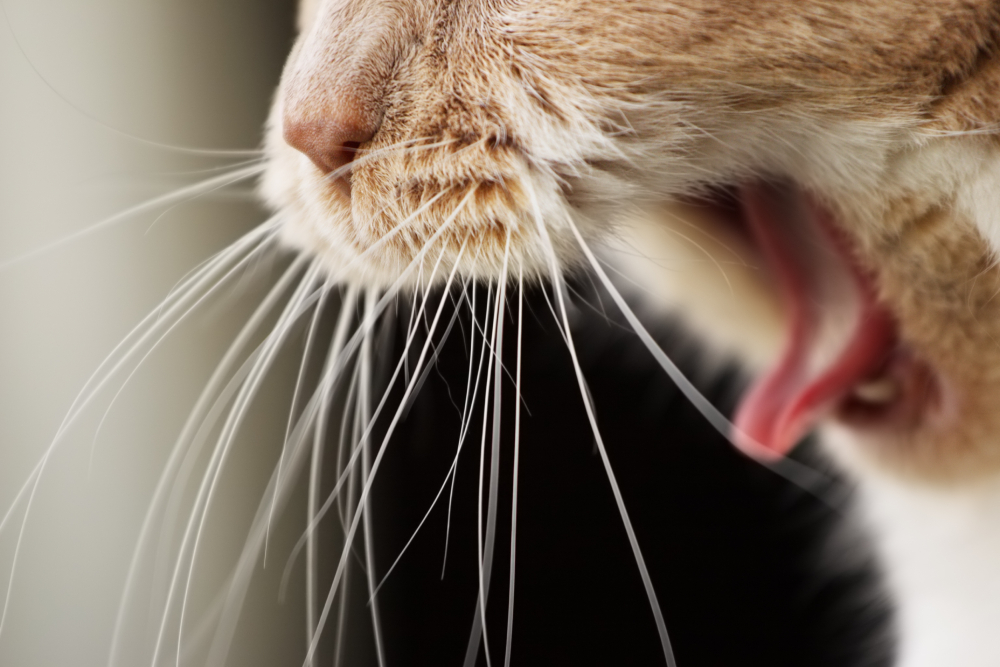
Reasons for cats licking their fur
The Common Reasons Why Cats Lick Fur Off
There are plenty of potential behavioral or medical reasons for your cat licking their fur off, and they typically fall within one of the following three categories.
-
Infections, Infestations, or Allergies
Excessive licking is frequently caused by allergies, infestations, and infections that irritate and itchy cat skin. You might even be able to determine the cause of your cat’s skin irritation if the bald patches on their coat seem to form a pattern.
Fleas frequently cause hair loss around the base of the tail, whereas ear mites are responsible for hair loss around the neck and ears. Your cat may experience several types of hair loss if they are chewing excessively because of dietary or environmental allergies (like pollen).
Even if you might be able to identify clues that lead to the cause of your cat’s illness, you should still schedule a visit with a veterinarian to get a correct diagnosis.
-
Boredom or Stress
Although medical conditions must be ruled out first, excessive licking can occasionally be caused by or exacerbated by behavioral problems. Your cat may overgroom as a coping mechanism if they are bored or under stress. Cats who are bored or under stress may develop a habit of licking themselves until their fur is stripped off, as licking is thought to release endorphins.
Your cat is probably not getting enough attention or enrichment if they are licking excessively because they are bored. You can give your cat extra toys and equipment if they spend most of the day by themselves or if they don’t have easy access to puzzles, toys, or cat trees.
Other options include scheduling additional time at home, bringing another pet inside, or hiring a pet sitter. If your cat is removing their fur due to stress, it can have been brought on by abrupt changes in their routine, surroundings, or family dynamics. By creating a regular routine and giving your cat lots of hiding spots and places to relax, you can try to help them get used to their new surroundings.
-
Pain
The excessive licking your cat does could indicate that they are in pain. Your cat’s pain can be concentrated in that place if they lick the same spot on their body over and over.
For instance, your cat may be suffering from anal gland diseases, which can include infections, impaction, and traumas, if they are licking the hair from the area around their anus. Cats who suffer from feline lower urinary tract disease often experience pain in the bladder or other urinary tract areas. A cat may overgroom their lower abdomen or the area around their genitalia as a result of this soreness.
How to Stop a Cat From Licking It’s Fur Off
Cat owners may reprimand or yell at their cats out of terror when they realize that their excessive licking is causing them damage. That’s not the right way to tackle the problem, though.
Strict corrections will just make your cat more anxious, which could lead to more grooming. Rather, perform the following actions and treat your cat with kindness and patience.
-
Consult Your Vet
You should speak with a veterinarian first and foremost. A veterinarian can offer a diagnosis and a course of therapy if your cat’s behavior is caused by medical issues. A veterinarian can rule out a medical condition as the cause of the problem, allowing you to look for other solutions.
-
Stick to Calming Routines
It’s ideal to maintain predictable habits for your cat, regardless of whether they are experiencing stress. Your cat will be able to handle everyday pressures much easier if you have a routine because cats enjoy routines.
Regularly cleaning the litter box, feeding your cat at the same time every day, and scheduling playtime each day are some strategies to create a relaxing routine. It’s crucial to establish a routine if your cat’s surroundings or the dynamics of the home have abruptly changed.
-
Meet Your Cat’s Emotional Needs
Meeting your cat’s emotional needs is the quickest way to stop them from licking their fur off when they are bored or stressed. More environmental stimulation, like toys, cat trees, and care, is necessary for bored cats. Boredom can be reduced by setting up regular playing and offering exciting new toys.
Are you trying to find toys that will meet your cat’s various needs? One of our favorite cat products is the Hepper Hi-lo Cat Scratcher, which will motivate your feline to be active. Your cat can climb, stretch, and exercise in a variety of ways thanks to its ingenious three-angle design. Cats can use this scratcher for many years to come because it is made of a durable plywood base and a changeable cardboard insert. The Hepper Catnip Mice Toy Set is a great option for your cat’s natural requirements if they need a little encouragement to play by themselves. packed with organic catnip and made of natural, bite-resistant hessian fabric. Cats can obtain the exercise they require to stay healthy while also satiating their innate hunting drives.
Stability is typically beneficial for stressed or worried cats, but if the problem is more serious, medication may be necessary. If your cat’s agitation is difficult to relieve, consult your veterinarian.
Read also: Reasons for cats urinating in places other than their designated areas
