 The First Encyclopedia Your First Knowledge Home
Hoistory Of Ancient Egypt
Old Kingdom of Ancient Egypt
Learn about the Old Kingdom period of Ancient Egypt including the dynasties of the time, the rise and fall of the Old Kingdom, the government, and the building of the pyramids.
Old Kingdom of Ancient Egypt
Overview
The era known as the “Old Kingdom” is one in ancient egypt’s history. From 2575 BC until 2150 BC, it lasted. Egypt enjoyed a powerful central authority and a thriving economy during these 400 years. The Old Kingdom is best known for being the era when numerous pyramids were constructed.
What dynasties were during the Old Kingdom?
Between the Third and the Sixth Dynasties, there were four significant dynasties that made up the Old Kingdom. The Fourth Dynasty, which was led by mighty pharaohs like Sneferu and Khufu, saw the height of the era. The Seventh and Eighth Dynasties are occasionally referred to as being a component of the Old Kingdom.
Rise of the Old Kingdom
The Early Dynastic Period is the time frame preceding the Old Kingdom. Although the First Dynasty had united Egypt, it was Pharaoh Djoser, the Third Dynasty’s founder, who established a strong and structured central administration.
Government
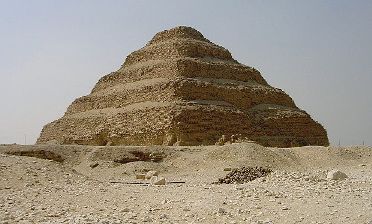
Egypt was divided into “nomes” (a.k.a. states) under the time of Pharaoh Djoser. A “nomarch” served as the governor of each nome and reported to the pharaoh. Egypt’s prosperity allowed for the construction of the Pyramid of Djoser, the country’s first pyramid.
The pharaoh oversaw both the state’s government and its official religion. He was revered as a deity. The vizier, who served as the pharaoh’s underling, oversaw many of the government’s everyday operations. Only the wealthiest households received an education and had their children taught to read and write. These people rose to prominence as scribes, priests, generals, and high-ranking government officials.
Building Pyramids
Pyramid construction during the Old Kingdom is its most well-known legacy. This contains the oldest and biggest pyramids, the Great Pyramid at Giza and the Pyramid of Djoser. When pharaohs like Sneferu and Khufu ruled during the Fourth Dynasty, the Old Period reached its height. The Giza complex, which consists of the Great Sphinx and other sizable pyramids, was completed during the Fourth Dynasty.
Fall of the Old Kingdom
In the Sixth Dynasty, the central government started to lose strength. As they grew in authority, the governors (nomarchs) started to disregard the pharaoh’s rule. The nation experienced starvation and drought at the same period. Egypt eventually split into several autonomous states after the central authority fell.
First Intermediate Period
The First Intermediate Period is the time frame after the Old Kingdom. About 150 years passed at this time. Civil strife and anarchy characterized the era.
Facts About the Old Kingdom of Egypt
- Pharaoh Pepi II, who ruled near the end of the Old Kingdom, was pharaoh for around 90 years.
- The capital city of Egypt during the Old Kingdom was Memphis.
- Art flourished during the Old Period. Many of the styles and images created during the Old Kingdom were imitated for the next 3000 years.
- The Old Kingdom is sometimes referred to as the “Age of Pyramids.”
- Egypt established trade with many foreign civilizations during this period. They built trade ships to travel the Red Sea and the Mediterranean.
- Much of what we know about the Old Kingdom comes from tombs, pyramids, and temples. The cities where people lived were largely made from mud and have long since been destroyed.
- Some historians say the Old Kingdom continued until the end of the Eighth Dynasty when the capital city moved away from Memphis.
Read also: Timeline of Ancient Egypt
