 The First Encyclopedia Your First Knowledge Home
How to stop a cat from constantly licking?

How to stop a cat from constantly licking?
Why Should You Stop Your Cats from Obsessively Licking?
It is normal for cats to lick themselves often while they groom, but not if it becomes obsessive or causes them harm.
- Stress
- Pain
- Anxiety
- Boredom
- Allergies
- External parasites (fleas)
- Cognitive decline
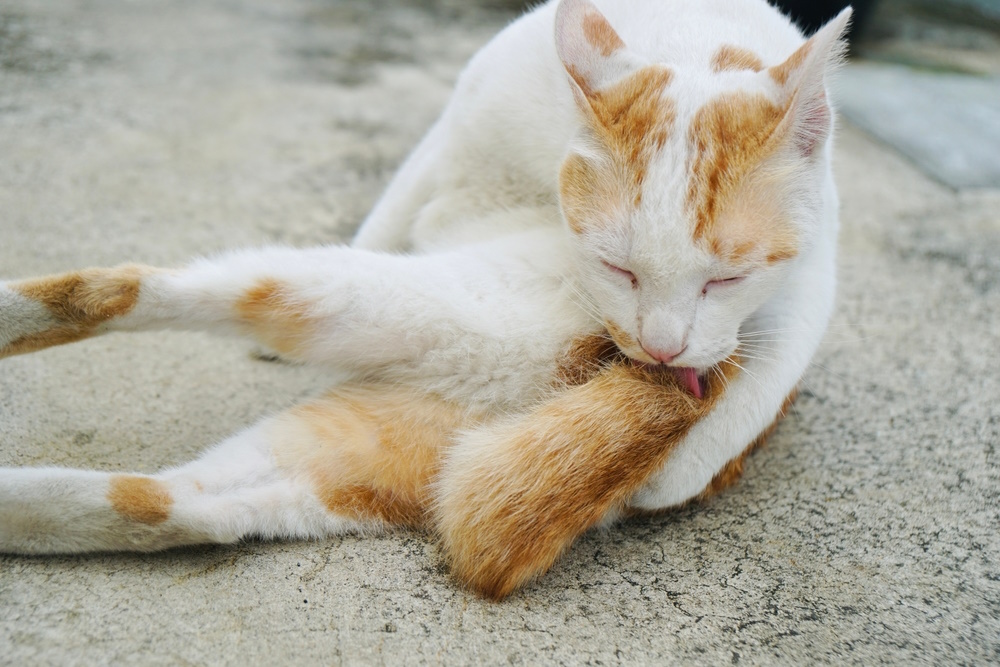
Cats who lick themselves for an abnormally lengthy period of time may find solace and relief from discomfort and itching. This is partially due to the fact that endorphins, which are naturally happy-making chemicals, are released when a cat licks. It turns into an obsessive behavior that typically has a root reason that has to be addressed rather than a typical aspect of their hygiene regimen. To lick themselves in certain areas, they may halt other activity, frequently until the surrounding fur becomes moist and irritating. They may develop skin sores and bald areas as a result of their compulsive licking, which makes the irritation and excessive licking worse.
The Vet-Reviewed Ways on How to Stop Obsessive Licking in Cats
Finding and fixing the underlying cause of a cat’s compulsive licking is the first step in halting the behavior. The primary long-term remedy for a cat that licks itself excessively is that. A short-term fix will be to use deterrents like E-collars or try to divert your cat’s attention from licking themselves. Additionally, your cat may experience stress from some short-term techniques, which could exacerbate their compulsive licking.
-
Take Your Cat for a Checkup at the Vet
You should take your cat to a veterinarian as soon as you observe that they are licking themselves excessively. The vet will evaluate the severity of the condition and assist you in identifying potential causes. You can take action to assist your cat in overcoming the habit after a potential cause has been identified. In the event that it is medically connected, the veterinarian can recommend the appropriate therapies, such as pain relief, anti-itch drugs, and other measures to improve your cat’s comfort. The veterinarian will offer advice on how to handle and discourage your cat’s behavior if it is behavioral in nature.
-
Consider Medications or Topical Treatments
Medication may help cats who are licking excessively due to discomfort or anxiety. This could include soothing drugs if it’s behavioral or painkillers to treat pain.
-
Address Any Stressors
Cats may experience stressors such as environmental changes, new pets, and disturbances in the home. Because they dislike change, cats may become tense and nervous. Overgrooming as a result of a behavioral issue with mental or emotional roots is known as psychogenic alopecia.
To improve their relationship, your cat and any new pets should be properly acquainted and socialized. Giving your cat some space and working on behavior control will help you prevent more stress if you discover that the new pet is making your cat irritable and stressed.
-
Offer Enrichment
Without the right exercise and enrichment, cats can become bored. Obsessive licking may be their coping mechanism for the stress and frustration caused by a lack of enrichment. It’s crucial to make sure kids have an abundance of toys and enjoyable activities to keep them engaged both mentally and physically.
Summary How to stop a cat from constantly licking?
Cats’ compulsive licking may be caused by a number of things, including discomfort, emotional distress, allergies, and parasites. Addressing the underlying reason and locating a suitable treatment is the best method to put an end to their compulsive licking. A veterinarian can help rule out possible medical problems and give the required drugs; therefore, this should be done with their assistance. They will also assist you in finding methods to improve your cat’s surroundings and lessen stress.
Read also: How to fix redirected aggression in cats?
