 The First Encyclopedia Your First Knowledge Home
Geography of ancient Egypt and the Nile River
Geography of ancient Egypt and the Nile River
Learn about Geography of ancient Egypt and the Nile River. The Nile provided fertile land, transportation, and building materials for Egypt

Geography of ancient Egypt and the Nile River
Overview
The lifestyle and society of Ancient Egypt were significantly shaped by the Nile River. The Ancient Egyptians had access to food, travel, supplies for construction, and more because of the Nile.
About the Nile River
The longest river in the world is the Nile. It’s length exceeds 4,100 miles! The Nile flows through many distinct African nations, including Egypt, Sudan, Ethiopia, Uganda, and Burundi, in northeastern Africa. The White Nile and the Blue Nile are the two principal tributaries that feed the Nile.
Upper and Lower Egypt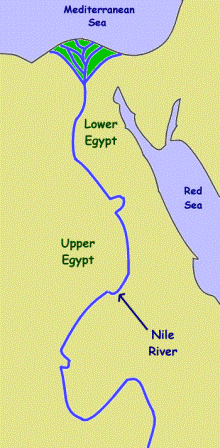
Through Egypt and into the Mediterranean Sea, the Nile River flows north. Upper Egypt and Lower Egypt were the two divisions of ancient Egypt. Because Upper Egypt is to the south and Lower Egypt is to the north, this situation appears a little perplexing on a map. This is so because the names are derived from the Nile River’s flow.
Fertile Land
Fertile soil was the most crucial item the Nile gave the ancient Egyptians. While the majority of Egypt is desert, the soil is fertile and ideal for cultivating crops along the Nile River. Wheat, flax, and papyrus were the three most significant crops.
- Wheat : The Egyptians’ primary staple diet was wheat. They baked bread with it. They helped the Egyptians become wealthy by selling a large amount of their wheat around the Middle East.
- Flax : To manufacture linen fabric for garments, flax was utilized. The Egyptians mostly utilized this kind of fabric.
- Papyrus : The Nile’s shores were home to the papyrus plant. This plant was used to the Ancient Egyptians for making paper, baskets, rope, and sandals, among other things.
Flooding
Every year, the Nile would overrun its banks around September and flood the surrounding land. Although it initially seems unpleasant, this was one of the most significant occasions in Ancient Egyptian culture. The flood revitalized the farmlands by bringing in rich, black soil.
Building Material
The Ancient Egyptians received a lot of building supplies from the Nile River. They created sun-dried bricks using the mud from the riverbanks. Homes, walls, and other buildings were constructed with these bricks. The hills that surrounded the Nile were also used by the Egyptians as quarries for limestone and sandstone.
Transportation
Since the majority of Ancient Egypt’s major cities were constructed along the Nile River, the river served as an important thoroughfare for the entire Empire. The Nile was frequently traversed by boats carrying passengers and cargo.
Seasons of the Nile
Even their calendar was designed with the Nile River in mind. Their calendar was divided into three seasons. The time of the Nile’s flooding, known as Akhet, was regarded as the beginning of the season. The growing season (Peret) and the harvesting season (Shemu) were the other two seasons.
Facts about the Nile River
- The Ancient Egyptians called the rich black soil from the floods the “Gift of the Nile”.
- Today, the Aswan Dam keeps the Nile from flooding modern cities.
- The Ancient Egyptians called the Nile the “Aur”, which means “black” and comes from the black soil.
- The Egyptians measured the height of the annual flood using a Nilometer. This helped them to determine how good the crops would be that year.
- The cause of the flood each year was heavy rains and melting snow to the south near the source of the Nile. The Ancient Egyptians believed that the flood was caused by the tears of the goddess Isis as she cried for her dead husband Osiris.
Geography of ancient Egypt and the Nile River
Read also : Army of Ancient Egypt
