 The First Encyclopedia Your First Knowledge Home
Cats chewing their fur: causes and solutions
Cats chewing their fur: causes and solutions
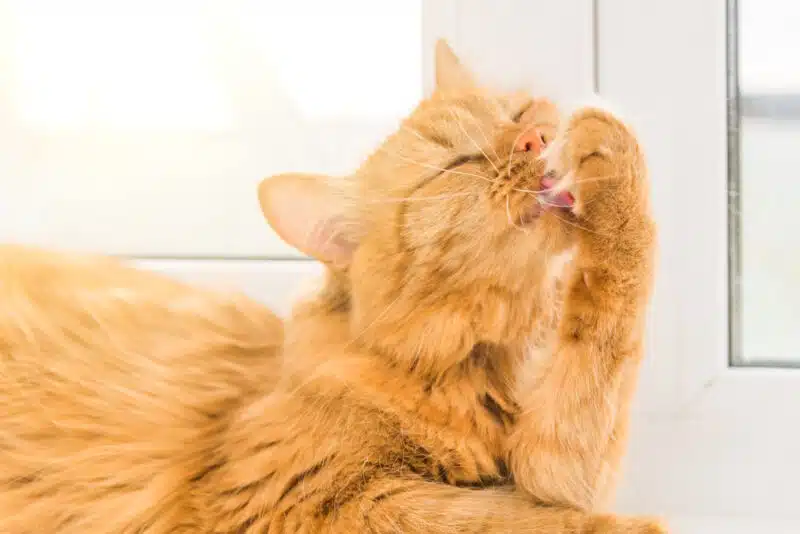
Until they go too far with their daily routines, a cat’s grooming is usually the least of an owner’s concerns. In addition to stress and worry, medical conditions, including skin allergies, can also be the cause of excessive grooming.
Although you can’t always predict when a cat may overgroom, you can move to address the issue as soon as it arises if you recognize the warning signals. Here are the main causes of your cat’s fur-chewing behavior and suggestions for solutions.
Cats chewing their fur: causes and solutions
The 5 Reasons Why Your Cat Is Chewing Her Hair Off & How to Stop It
1. Fleas and Other Parasites
Fleas are one of the most prevalent parasite problems cats endure, particularly cats that go outdoors. Adult fleas live on the cat and feed on their blood; the irritation can lead a cat to lick or bite at their fur. Some cats have an allergy to fleas, which causes more intense itching every time they are bitten.
Alongside the sores and secondary infections that the scratching, licking, and chewing may cause, cats can also ingest tapeworm eggs when they accidentally swallow an infected flea.
Other than fleas, parasitic organisms like ticks, lice, and mites can cause irritation and overgrooming. Some parasites are visible to the naked eye, while for others your vet might need to take some samples to examine under the microscope.
- Treating Flea Infestations
Your vet is your best resource for finding flea solutions for your cat. Your cat, along with any other cats, dogs, and rabbits in the house, will need to be treated with a species-appropriate flea treatment. Never use a dog flea treatment on your cat; they often contain permethrin, which is extremely toxic to cats. Prescription flea treatments from your vets are proven and effective products.
Your home will also need to be treated with a household flea spray, as 95% of a flea infestation is in the home. Vacuum the house regularly and wash bedding on a hot wash.
As fleas can transmit worms, your cat should also have a worming medication at the same time. If they have broken, sore, or infected skin, your vet may also need to prescribe treatment for this.
2. Allergies
Although flea allergies are the most common in cats, they can also develop allergies to proteins in food and seasonal or non-seasonal environmental allergens like pollen, mold, and dust mites. Feline atopic skin syndrome (FASS) is the term used to describe allergic skin disease caused by allergens in the environment.
Over-grooming from severe itching is typical, potentially leading to sores and secondary infections.
- How to Treat Allergies
Food-related allergies require dietary changes. Diagnosing the allergy and pinpointing the protein causing the allergy involves elimination diet trials under the guidance of your vet.
For FASS, your vet might offer anti-itch medications such as corticosteroids or cyclosporine to relieve signs. Allergy blood tests and allergy skin tests are available to find out what is causing your cat’s allergic signs. Immunotherapy (allergy shots) can build up your cat’s tolerance to the allergens, decreasing the signs of allergies over time and reducing the need for temporary irritation relief.
If you need to speak with a vet but can’t get to one, head over to PangoVet. It’s an online service where you can talk to a vet online and get the advice you need for your pet—all at an affordable price!
3. Pain
Grooming may be a way for a cat to relieve a painful spot. If you notice other signs of mobility issues, like limping, your cat could be nursing an injury or licking and chewing their fur around an arthritic joint.
- How to Stop Fur Chewing from Pain
Your vet will prescribe the best recovery plan and pain relief based on your cat’s unique injury. Accommodating your cat with convenient access to resources will be crucial to prevent any behavioral issues and stress.

4. Psychogenic Alopecia
Psychogenic alopecia refers to a cat’s habit of overgrooming and pulling out hair due to mental or emotional stress. Uncertainty and anxiety generally stem from various environmental changes and perceived problems, including
- Moving to a different house
- A new pet or baby
- Changes in furniture layout
- Shifts in the daily routine
- Conflict for resources between pets
- Outdoor animals
Psychogenic alopecia can be challenging to diagnose as it leads to physical and behavioral signs that could indicate other illnesses. Your vet will examine your cat and may run several tests to rule out underlying medical conditions.
- How to Stop Psychogenic Alopecia
Fixing the environment and routine will help your cat overcome stress-related problems, like overgrooming and chewing her fur. A cat needs a stable, predictable routine to stay at ease. If you can’t think of any changes to your schedule that might have upset your cat, you’ll ideally need to find and remove the stressor.Cats need to feel safe and secure. Behavioral therapy needs to be tailored to your individual cat and environment, and your vet may refer you to a qualified cat behaviorist. You can sometimes desensitize your pet to adverse stimuli by associating them with treats, affection, and other desirable experiences. It can take time, but eventually, your cat can see the stressor in a new, more positive light. In some cases your vet may need to prescribe medications for a period of time to help.At home, you can also try atmospheric elements like pheromone diffusers and cat-specific music to help calm your cat.

5. Boredom
Hair chewing related to boredom is similar to psychogenic alopecia, but the solution lies primarily in enrichment. If your cat is understimulated, excessive grooming leading to fur loss may accompany inappropriate behaviors as she looks for other outlets for built-up energy.
- Treating Hair Chewing from Boredom
Indoor cats are more prone to boredom since they have fewer opportunities to exercise. Owners have to fill in the gaps. Playtime enhances the cat-human bond and keeps cats stimulated, while enrichment devices provide options when they have to entertain themselves.
A sufficient rotation of toys and puzzle feeders can keep your cat mentally stimulated. Cat trees and climbing shelves provide suitable workout and scratching spaces, letting your cat release anxious energy.
Looking for toys that will cater to the many needs of your cat? The Hepper Hi-lo Cat Scratcher is one of our favorite cat products, and it will encourage your cat to get active. Its clever three-angle design offers multiple ways for your cat to climb, stretch, and exercise. Made of a sturdy plywood base and a replacement cardboard insert, this scratcher is an option that cats can enjoy for years to come. If your cat requires a little encouragement for self-play, the Hepper Catnip Mice Toy Set is a fantastic choice for their instinctual needs. Made with natural, bite-resistant hessian fabric and filled with organic catnip. Cats can satisfy their natural prey instincts while getting the physical activity they need to thrive.
Read also: Veterinary Tips for Being a Good Cat Parent
