 The First Encyclopedia Your First Knowledge Home
Art of Ancient Rome
For more than a millennium, the Ancient Rome civilization, with its capital city of Rome, dominated most of Europe. During this period of great artistic flourishing, the wealthy and powerful frequently exploited the arts to commemorate their legacy and past exploits.
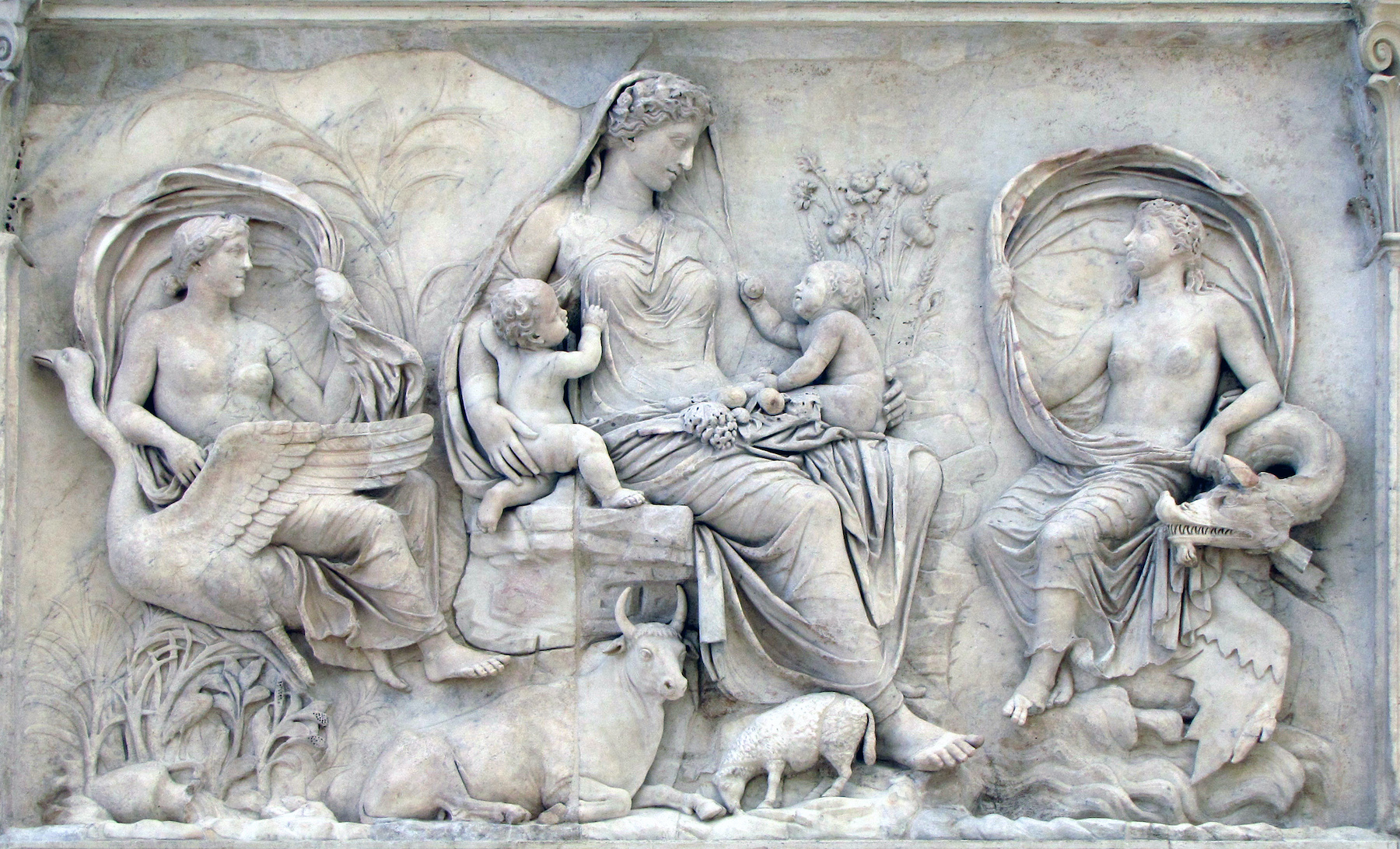
Art of Ancient Rome
Born from Greek Art
Greek art and culture were highly regarded by the Romans. They invited numerous Greek artists to Rome when they conquered Greece so they could create sculptures for them in the Greek style. Ancient Greek art had a significant impact on ancient Roman art.
Other Influences
The Romans were greatly influenced by the art of Greece, but they were also influenced by other civilizations they visited and overthrew during their vast empire. These included the Germans, the Celtics, the Egyptians, and Eastern art.
Roman Sculpture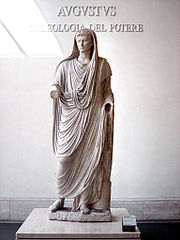
Roman sculpture was a significant aspect of everyday Roman life. Complete statues, busts—which are sculptures of a person’s head—reliefs—which are pieces of a wall—and sarcophagi—which are sculptures on tombs—were among the various forms of sculpture. Sculptures of the Ancient Romans can be found adorning a variety of public and private structures, parks, and gardens.
Greek sculpture had a great influence on Roman sculpture. Actually, a large number of Roman sculptures were merely Greek originals. The affluent Romans adorned their expansive residences with sculptures. These sculptures frequently featured the subjects themselves or their ancestors. Sculptures of gods and goddesses, philosophers, elite athletes, and accomplished generals were among the other popular topics.
A marble statue of Augustus, the first Emperor of Rome, is seen above. In this image, he is seen carrying out his duties as Pontifex Maximus while donning a traditional Roman toga.
The Roman Bust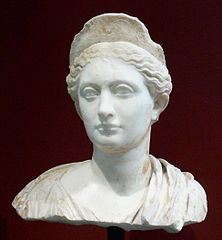
The bust was one of the most widely used forms of sculpture in ancient Rome. This sculpture only depicts the head. Affluent Romans would place their ancestors’ busts in the atrium of their houses. They used this as an opportunity to showcase their ancestry.
Roman Painting
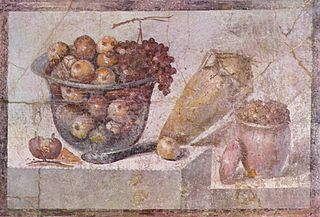
A common feature of affluent Roman residences were paintings on the walls. These were frescoes that were painted straight onto the walls. A few of these paintings were saved in Pompeii when the city was submerged by a volcanic eruption, but the majority have been lost to time.
Mosaics
The Romans also created mosaics, or images fashioned from colorful tiles. Compared to paintings, mosaics have fared better with the passage of time. At times, the tiles would be directly applied to the mosaic site. In other cases, the mosaic would be put together in its entirety after the tiles and base were created in a workshop. Mosaics could be used as floor décor or as artwork on a wall.
Legacy
Following the Middle Ages, Renaissance painters drew inspiration from the art, architecture, and sculptures of ancient Rome and Greece. For a long time, ancient Roman art had a profound impact on art.
Facts about Ancient Roman Art
- Sculptures of people became so popular that artists would mass produce sculptures of bodies without heads. Then, when an order came in for a certain person, they would carve the head and add it to the sculpture.
- Roman Emperors would often have many statues made in their honor and placed around the city. They used this as a way of commemorating their victories and reminding the people who was in power.
- Some Greek statues only survive through the copies that the Romans had made.
- Rich Romans would have their stone coffins covered with ornate carvings.
Read also: Roman Numerals History and facts
