 The First Encyclopedia Your First Knowledge Home
The natural way to lower fever when needed
Read and discover The natural way to lower fever when needed, and a lot of advice about this problem
The natural way to lower fever when needed
Fevers are a highly helpful natural defense mechanism for your body against pathogens. While many people are concerned when they or their children develop a fever, it’s important to keep in mind that fevers usually serve a beneficial purpose; therefore, not every situation calls for treating a fever. You should be aware that treating a fever with medicine isn’t always the best course of action if you’re interested in learning how to lower one. This article will look at the function of fever in the body, how to treat fever naturally, and when to consult a doctor.
The natural way to lower fever when needed
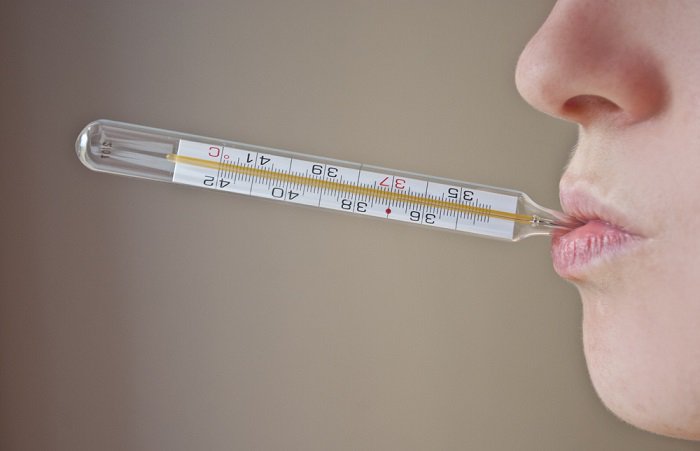
What is the temperature of a fever?
There are several locations on your body where you can take your body temperature. The mouth, ear, armpit, and rectum are the most often affected areas. The forehead is another place to take a temperature.
The temperature of the body as measured by the ears or the rectal area is marginally greater than that of the mouth.
A fever is generally defined as an oral temperature higher than 38°C (100.4°F) or a rectal or ear temperature higher than 38.3°C (100.4°F). When a child’s rectal temperature is 38°C (100.4°F) or above, they have a fever.
Dr. Charles Patrick Davis states that fever values fall into three categories: “low,” “high,” and “dangerous” fever. These categories may change somewhat based on the patient’s age and health.
- Low-grade fever ranges from about 37.70° C to 38.30° C (99.86° F to 100.94° F)
- 98 is middle-level for adults, but it is a temperature at which adults should seek medical attention if they have a baby (0–6 months).
- High-grade fevers range from around 39.40° C to 40° C (102.92° F to 104° F)
- Dangerous fevers are high temperatures ranging from 40°C to 41.6°C (104°F to 106.88°F) or higher (extremely high fevers are also called hyperpyrexia).
In actuality, most bacteria and viruses prefer a normal body temperature to flourish. Thus, your body temperature rises when you are infected in an attempt to combat the illness; once the virus is cleared, your temperature should return to normal.
When not to lower a fever
Scientists and medical professionals have concluded that most low-grade fevers are not cause for concern because they are simply the immune system’s normal reaction to an infection.
In the Journal of Leukocyte Biology, Professor John Wherry, Ph.D., presented his research on fever and the immune system. According to him, a rise in body temperature really results in an increase in the immune system. Naturally, he said, managing extremely high body temperatures is crucial since they might be harmful. He did, however, exhort people to consider ways to treat lower fevers.
Actually, taking medicine to lower a low temperature could make you feel sicker longer. Researchers at the University of Maryland studied individuals who used anti-fever drugs and had the virus. They discovered that although anti-fever medications aided in recovery more quickly, patients’ illnesses persisted longer. According to estimates from other studies, suppressing a fever actually results in a 5% annual rise in influenza incidence.
Because of this, the American Academy of Pediatrics advises against trying to bring a child’s fever down by raising their body temperature and instead concentrating on making them feel more comfortable overall.
The natural way to lower fever when needed
Therefore, it’s wise to pay attention to what your body is telling you if you or your child have a slight fever. You must relax and give your body time to heal as the fever compels you to slow down. Moreover, you ought to consume a lot of liquids. A low-grade fever will aid in the destruction of the germs and viruses causing your illness.
Rest to reduce fever
It’s important to rest properly if you have a fever. During this time, you should check your body temperature every 2 hours to make sure the temperature is not dangerously high. Make sure you stay hydrated, as you will lose fluids through sweat.
While you are resting, a cold, wet compress can be put on your or your child’s forehead to reduce fever.
Assistant Clinical Professor of Pediatrics, Dr. Neil K. Kaneshiro, recommends removing excess clothing and blankets and keeping the room at a reasonable temperature. If the weather is hot and stuffy, then a fan can help cool the air.
Take a shower or bath
Taking a bath is a great way to reduce a fever. Fill a tub with warm water and soak in it. The warm water will help you relax, and while the water cools, your body temperature will, too.
Now, having a cold bath or shower can have the opposite effect because it can make you shiver, which will raise your body temperature, so don’t use cold baths, ice, or friction with alcohol.
For children, pediatrician Dr. Jennifer Shu recommends giving your child a bath with warm water or a sponge bath with warm water. This will help lower their body temperature and reduce fever when water evaporates from their skin.
Wet socks to reduce fever
This method is a traditional naturopathic approach to reducing fever, and it involves sleeping in a pair of wet socks. To do this, you need a pair of cotton socks that cover the ankles.
First, wet the socks in cold water and then drain the excess. Put the socks on your feet, and then put a pair of wool socks over them to insulate them. Dr. James Wallace, PhD in Naturopathic Medicine, says that the body reacts to cold socks by increasing blood circulation, which also stimulates the immune system.
While this method will not help reduce fever directly, it helps treat inflammation, infection, sore throat, headaches, migraines, nasal congestion, upper respiratory tract infections, cough, bronchitis, and sinus infections.
Eat the right kinds of foods
It is a well-known fact that certain foods can have an impact on the body’s immune system. In fact, scientific studies seem to support the old advice of “feed a cold and starve a fever.”
When the body is hungry, it releases more cells that help boost the immune system. Also, when the body digests food, energy is wasted in the digestion process, and you want your energy to be used to control the infection that is causing the fever.
Therefore, to keep your immune system healthy, you should continue to eat small amounts of nutritious food. Eat fruits that are rich in vitamin C, which is one of the natural substances that boost your immune system and will help keep you hydrated and lower your fever.
Foods rich in vitamin C include citrus fruits, broccoli, guava, kiwi, strawberries, peppers, papaya, and berries (which are especially rich in vitamin C).
Another great remedy if you are suffering from an infection is to eat chicken soup.
In the journal Chest, Dr. Stephen Rennard has published his findings that chicken soup has effects on flu symptoms. He observed that it could be a combination of vegetables and chicken, which helps stimulate the body’s immune response. Another reason to eat soup when you have a fever is that the liquid in the soup helps keep you hydrated and warm; it also helps reduce congestion and lower the fever.
When it comes to eating, it’s important to listen to your body and not overeat, which will overexert your immune system.
Drink herbal tea to reduce fever
Herbal teas will keep you hydrated and can help reduce a fever by promoting sweating, which helps cool the body and keep the fever from rising too much. Some of the best herbal teas to lower a fever are:
- Mint
- Cinnamon
- Ginger
- Oregano
- Thyme
- Echinacea
- Red clover
You can try preparing a special ginger tea for this using lemon.
Fever: When to see a doctor
It is important to remember that, although a little fever usually goes away on its own and helps the body get rid of infection, a very high temperature can cause serious complications. Therefore, it is always important to control the body temperature.
The American Academy of Pediatrics recommends that you call a doctor immediately if your child:
- Is less than 3 months old and has a temperature of 38.0° C (100.4° F) or higher
- Fever rises above 40° C (104° F) several times in a child of any age
- You should also consult your doctor if your child is drowsy
- Has a headache
- Has an unexplained rash
- Vomiting or diarrhea
- Seek advice if fever persists for more than 24 hours in a child younger than 2 years
- When fever persists for more than 3 days in a child 2 years of age or older,.
You should also be prepared to tell the doctor the exact temperature and where the temperature was taken, i.e., the mouth, rectum, armpit, forehead, etc.
For adults, if you have a fever of more than 39.4°C (102.9°F) that keeps rising, you should call a doctor, or if the fever lasts for more than seven days or the symptoms of the fever get worse.
Read also:Errors to avoid while using garlic
