 The First Encyclopedia Your First Knowledge Home
How Earth’s Ecosystems Are Changing Due to Climate Change
The effects of climate change on people and wildlife are already evident. The abiotic, or nonliving, components of the environment, what about them?
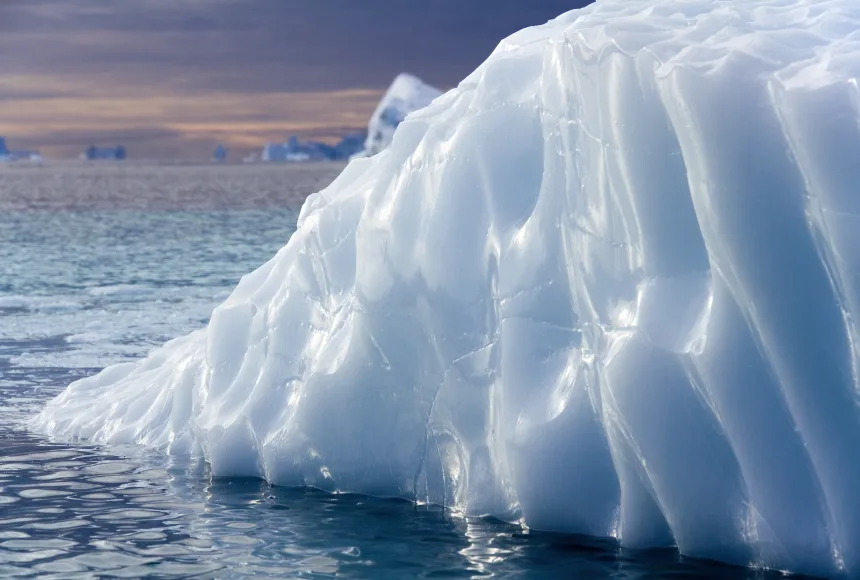
Sea levels are increasing, glaciers are melting, and storms are getting stronger. These are some of the overt effects of global warming, which is brought on by growing carbon dioxide and other greenhouse gas concentrations as a result of ocean and atmosphere warming.
How Earth’s Ecosystems Are Changing Due to Climate Change
In a 2018 report, the Intergovernmental Panel on Climate Change (IPCC) stated that the average global temperature has risen about 1ºC (1.8ºF) since pre-industrial times. If the current rate of warming continues, this number is expected to nearly double in a relatively short time, reaching 1.5ºC (2.7ºF) between 2030 and 2052. This could have devastating effects on ecosystems around the world, from tropical coral reefs to the icy Arctic Ocean.
Why is a relatively tiny rise in global temperature harming Earth’s ecosystems so severely?
The Ocean Is Feeling the Heat
The ocean, which has a tremendous potential to store and release heat, absorbs more than 80% of the warming that occurs on the planet. Coral reefs are suffering long-term effects as a result of elevated sea surface temperatures. Corals are dying and bleaching. According to the IPCC study, coral reefs may perish to the extent of up to 90% if global temperature exceeds 1.5oC (2.7oF). Ocean acidification is another factor contributing to corals’ difficulties. The ocean’s chemistry has changed due to increased carbon dioxide levels, making it more acidic. Corals and other shelled sea organisms struggle to flourish in acidic environments.
Sea Levels Are Rising
Ocean water expands in volume as it heats. Along with the water that is added to the ocean as a result of land-based glaciers melting, this is a major contributor to the rise in sea levels. Since the late 19th century, the sea level has increased by an average of 20 centimeters (8 inches), and research by experts looking at the last 25 years of satellite data revealed that the ocean water is rising more quickly. If the pace of acceleration continues, the rise in sea level by 2100 will be greater than current projections. Coastal wetlands, salt marshes, and mangrove swamps are destroyed as a result of sea level rise, which also causes flooding and harm to aquatic ecosystems.
Drought to Deluge: The Impacts of Shifting Temperature and Precipitation
The two main components of climate are temperature and precipitation. A warmer atmosphere holds more water because a warmer climate causes more water to evaporate from the ocean and land. Scientists have noted an increase in the frequency of heavy rainfall occurrences. The survival and populations of fish and other aquatic species are impacted by lower quantities of dissolved oxygen in the water caused by higher water temperatures in streams, lakes, and reservoirs.
The increased frequency of extreme weather events worldwide is particularly alarming. In particular in the North Atlantic, hurricanes are intensifying. The Atlantic storm season in 2017 was quite active. Texas, Florida, and Puerto Rico were all hit hard by hurricanes Harvey, Irma, and Maria. High-resolution computer modeling by a team of scientists revealed that warm sea-surface temperatures in the North Atlantic were the primary cause of the 2017 hurricane season’s extreme ferocity. As a result, there is now a new approach to forecast what to expect each year. The tropical Atlantic’s rate of warming relative to the rest of the world’s oceans determines how intense the Atlantic hurricane season will be.
Meanwhile, the state of California has been experiencing record-breaking drought conditions in the western United States since 2012. When low precipitation and warm weather conditions coincide, California is more likely to face drought, according to researchers who studied the state’s past droughts. Longer dry stretches may increase the risk of wildfires. Large fires are five times more common today than they were forty years ago, and the fire season is three months longer. A recent study discovered that ecosystems destroyed by a wildfire no longer regenerate and come back to life the way they used to, in addition to the obvious loss of habitat for species.
